
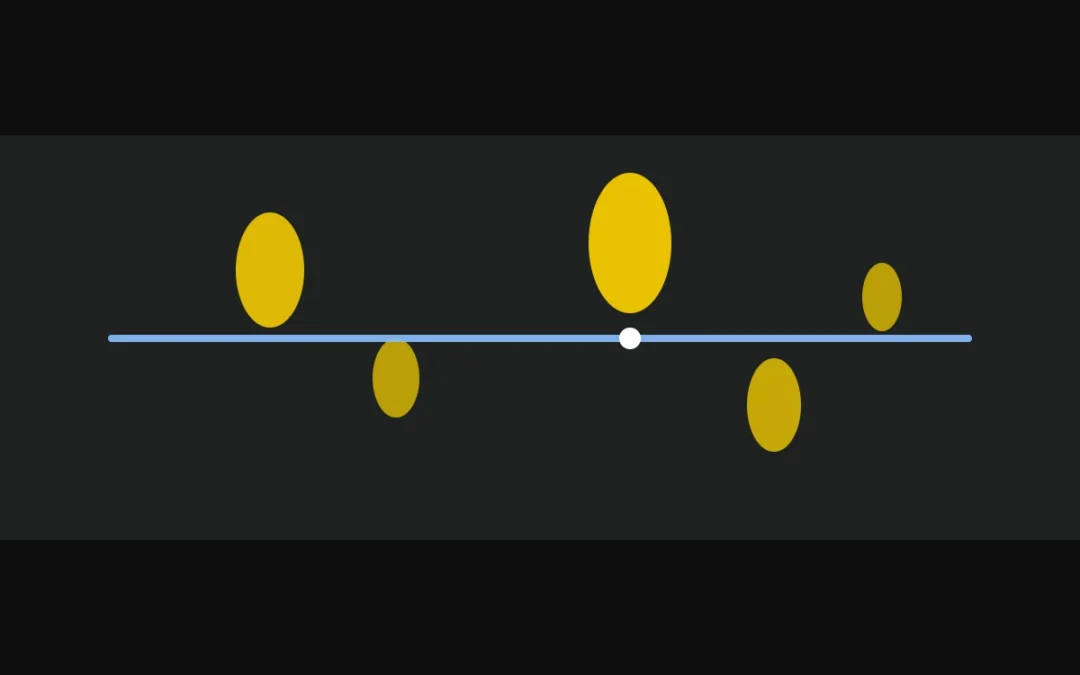
You can spot an anamorphic image without always knowing why: a very wide frame, bluish streaks crossing the screen, light points shaped like ovals. This article explains what an anamorphic lens does, where its look comes from and when to use it, including for a brand film.
What is anamorphic?
An anamorphic lens squeezes the image horizontally: it captures a wider field than a spherical lens, then the image is “desqueezed” in the edit or on the monitor to restore the right proportions. The squeeze factor tells you by how much.
The factors: 1.3x, 1.5x, 2x and others
The chosen factor, combined with the sensor format, determines the final aspect ratio. A few examples:
| Sensor | Squeeze | Aspect ratio after desqueeze |
|---|---|---|
| 16:9 (1.78) | 1.3x | about 2.31:1 |
| 16:9 (1.78) | 1.33x | about 2.37:1 |
| 16:9 (1.78) | 1.5x | about 2.67:1 |
| 16:9 (1.78) | 2x | about 3.56:1 |
| 4:3 (1.33) | 1.8x | about 2.40:1 |
| 4:3 (1.33) | 2x | about 2.67:1 |
Factors from 1.3x to 1.5x give a more discreet, lighter look. 2x offers the most pronounced effects. The resulting frame can then be cropped to 2.39:1.
The horizontal field of a 2x lens is that of a focal length half as long: a 50 mm 2x anamorphic sees as wide as a 25 mm spherical, but keeps the vertical angle of a 50 mm.
The visual signature
- Oval bokeh: blurred light points take the shape of vertical ovals, more pronounced as the factor rises.
- Horizontal flares: bright light sources leave streaks, often bluish depending on the coatings.
- Distortion: straight lines at the edges can curve, and a very close face can stretch.
- Focus breathing: the framing can shift slightly when you pull focus.
- Texture: softer edges, a slight loss of sharpness in the corners, a character many find more organic.
- Perceived depth of field: at equal horizontal field, it often looks shallower than with a spherical lens.
What anamorphic says
The wide frame sets up horizontality: landscapes, architecture, isolated characters in a setting. Flares add an emotional or dreamlike dimension, ovals make bright backgrounds more painterly. It is often tied to epic storytelling and emotion, but it can also serve intimacy, as a face separates from the background with a soft blur.
The limits
- Cost: the lenses are expensive to buy and to rent.
- Weight and size: they are heavier than a spherical lens.
- Speed: the maximum aperture is often more modest (around T2 to T2.8).
- Minimum focus distance: it is often longer.
- Vertical: the very wide frame crops poorly to 9:16 for social media.
Several brands offer very different ranges: from high-end cinema (Panavision, Cooke, Hawk) to more affordable compact lenses (Sirui, Vazen, Laowa and others). There are also 1.33x adapters that go in front of spherical lenses, an economical way to approach the look.
Anamorphic and brand films
For a brand, anamorphic suits corporate films, tourism, automotive or architecture, that is, wherever you want breadth and a visual signature. It takes preparation: setting the desqueeze on the camera and monitor, testing lenses, framing designed for the wide format. Our gear is on our equipment page, and our business video page describes our approach.
Our advice. Anamorphic is a storytelling choice, not a style filter: use it when the subject gains scale or emotion from it.
A film to shoot in a wide format?
Tell us about your project: we will tell you whether anamorphic serves it.